Wooden Cabin Construction, Rough Cut Woodworking Plans
84 Lumber will support you throughout your home building process with the commitment of highly trained and motivated associates. From the store associate who prepared your estimate to the yard person who prepared your deliveries, rest assured that we focus on the needs of you and your builder.
To help you with budgeting, your 84 Lumber associate has instant package pricing available on all of these homes, and can quickly provide you with a written materials estimate. Of course, you can tailor your materials package as needed to suit your taste and budget.
I built my own mill and am in the process of building my own home. I figure if I spend $5000 for the mill, I have paid for it in savings on lumber. But you have to figure in all the costs. Getting logs to the mill, fuel,supplies to run the mill. But in the end I figure my costs at.28/bf, compared to the costs of buying lumber from the store, I will save in the long run.
Then there is the added bonus that you can cut to your needs, not just standard sizes. You have choice of the best boards for the job, not just what ever came out of the bundle. And once the house is built you have a tool that can also build a garage, barn, fence your property, make extra money milling for some one else. 99% of all mills retain their value to a degree, so you can always sell it and recoup some of your investment.
IMHO investing in a mill to build your own home is a good investment. Depends on a lot of factors. You most likely can't save enough money if you are just cutting pine into 2x4's or something like that for studs.
If you are using beams, then things perk up a bit. If you plan on cutting hardwoods, that ups the ante some more. Specialty cuts are even better. The house I built has mostly hardwood floors, walls, and ceilings made out of hardwood. Have oak beams, an oak deck. I definitely saved money.
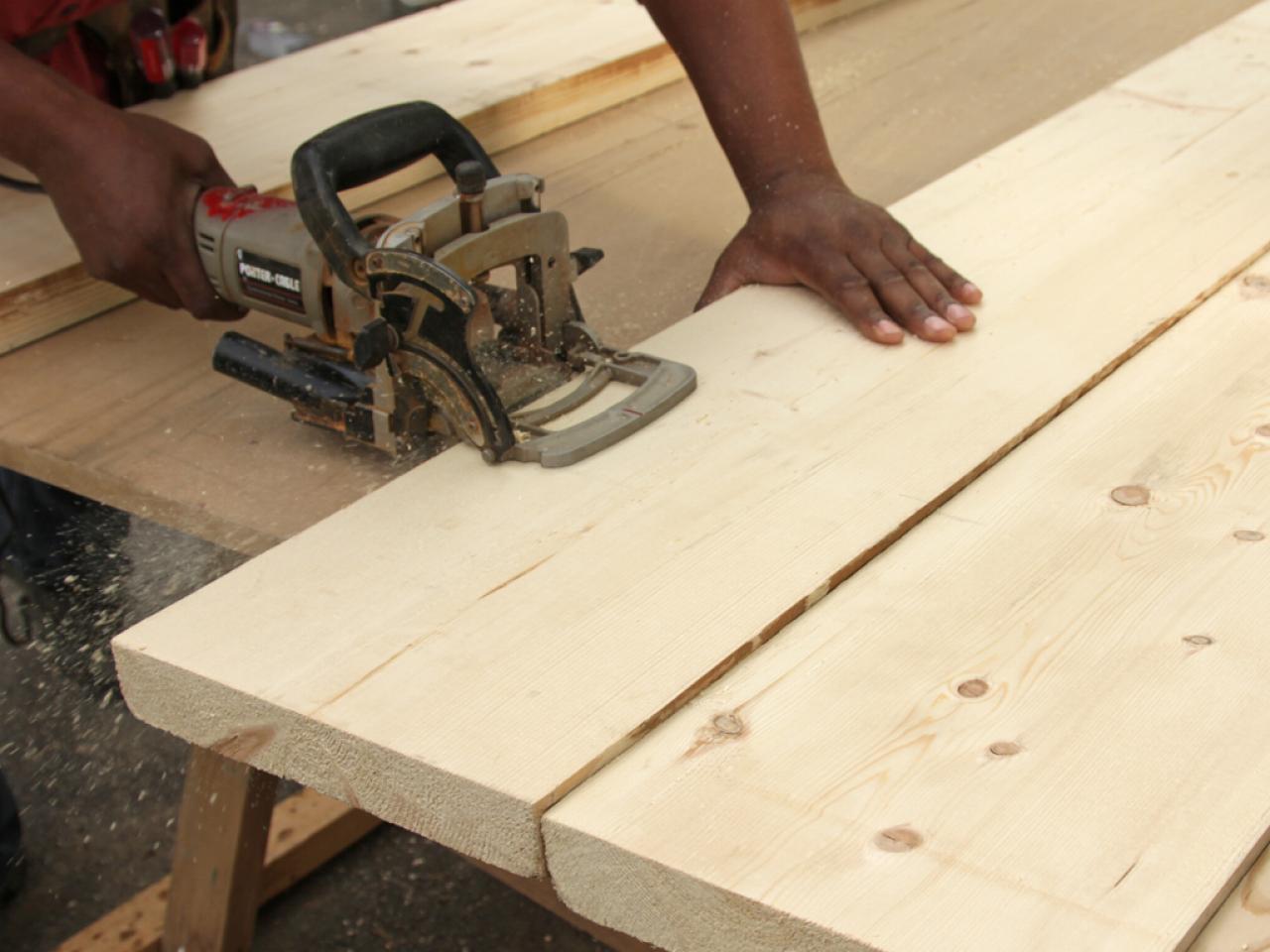
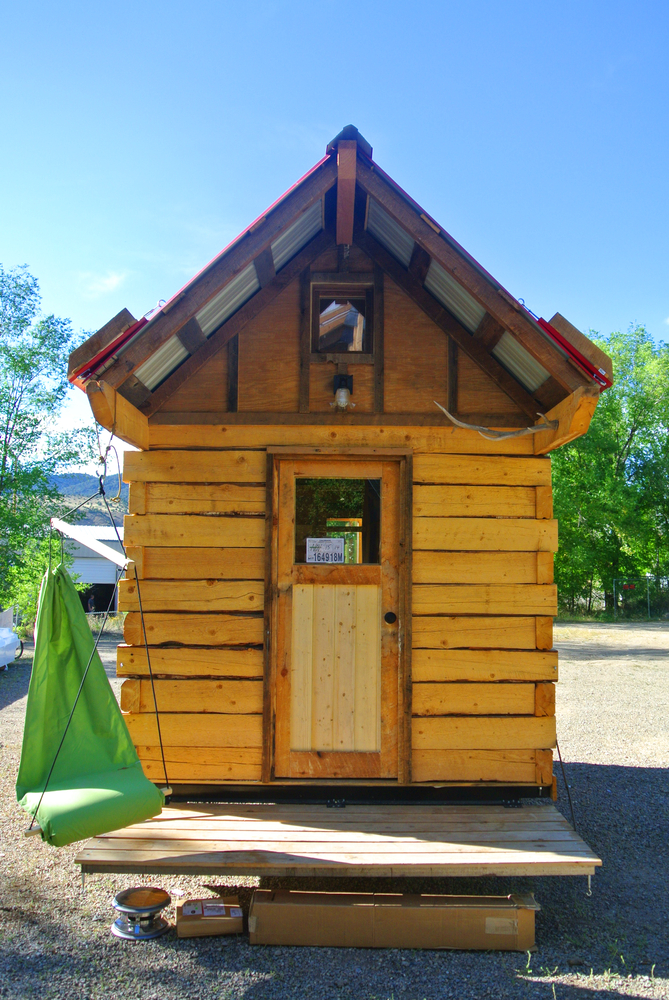
Just depends on what you want to do. But some of what I used I bought from other local mills. It was simply cheaper than I could cut. But you can't discount the intangibles. If using the logs off your own land, and a desire to cut them means a lot to you, then do it. Sometimes saving money isn't the top priority. Just depends on what your priorities are, and what all you have in mind and logs to use.
Thats a very good question. I live in north central arkansas, the ozarks. Beautiful country life, my land has been passed down for 4 generations. It has all the usual southern species, pine, redoak, whiteoak, ash, cherry, cedar and many others but the ones listed are probably the best for building.
I plan on probably rough pine for framing although from what i have read cut with a bandmill its not really that rough. I hope to use some of the other species for some interior walls and flooring. I would purchase a planer or moulder for this. I was wondering, i will be airdrying whats the best way and how long is the drying time. And i greatly appreciate everyones advice and knowledge.
I知 over here in the NW corner. If ya get over this way stop by some time. I知 putting the finishing touches on my house. When I was framing I had DF delivered for 45 to no more than 50 cents a board foot.
If I had cut my own framing lumber I would of put it on sticks until I accumulated enough to build. Than I would have had to end trim every single board and been pretty accurate on the studs. A lot more time and labor. Also my lumber would have been native SYP.I prefer DF. The savings just weren稚 attractive enough for me to saw my own framing lumber. Moving on a bit and look at deck lumber. Guessing on prices but think I知 close.
Pressure treated maybe 70 cents. WRC at $2.50 with Ipe and composite stuff sky high. Good place to save money.
On the interior big savings can be had here also, but you need to like wood. Flooring, cabinets, doors, cedar closets, cedar T&G ceilings, and a whole bunch of trim. For sticker shock price a few doors. Of course the down side is you need a way to dry lumber, and a well equipped shop. Not saying my way is the right way.its just how I did it. If you look at the Woodmizer link up the page note how the house has been built. Big exposed beams, hardwood flooring, solid wooden furniture, big solid timber staircase.
Stuff that would cost a fortune to build into a new home if you were buying the materials. With your own trees and the means to process it, they become much more practical.
If the cost of those big beams actually becomes negligible it's much more practical to incorporate them. Just cutting 2x4s for a conventional construction, well you are competing with a mass produced commodity from a large mechanised sawmill, and you wont save much. Other things to consider, apart from just the mill. Time - it's a BIG job. Like building a house is a pretty big job. Starting from standing trees makes it twice the job.
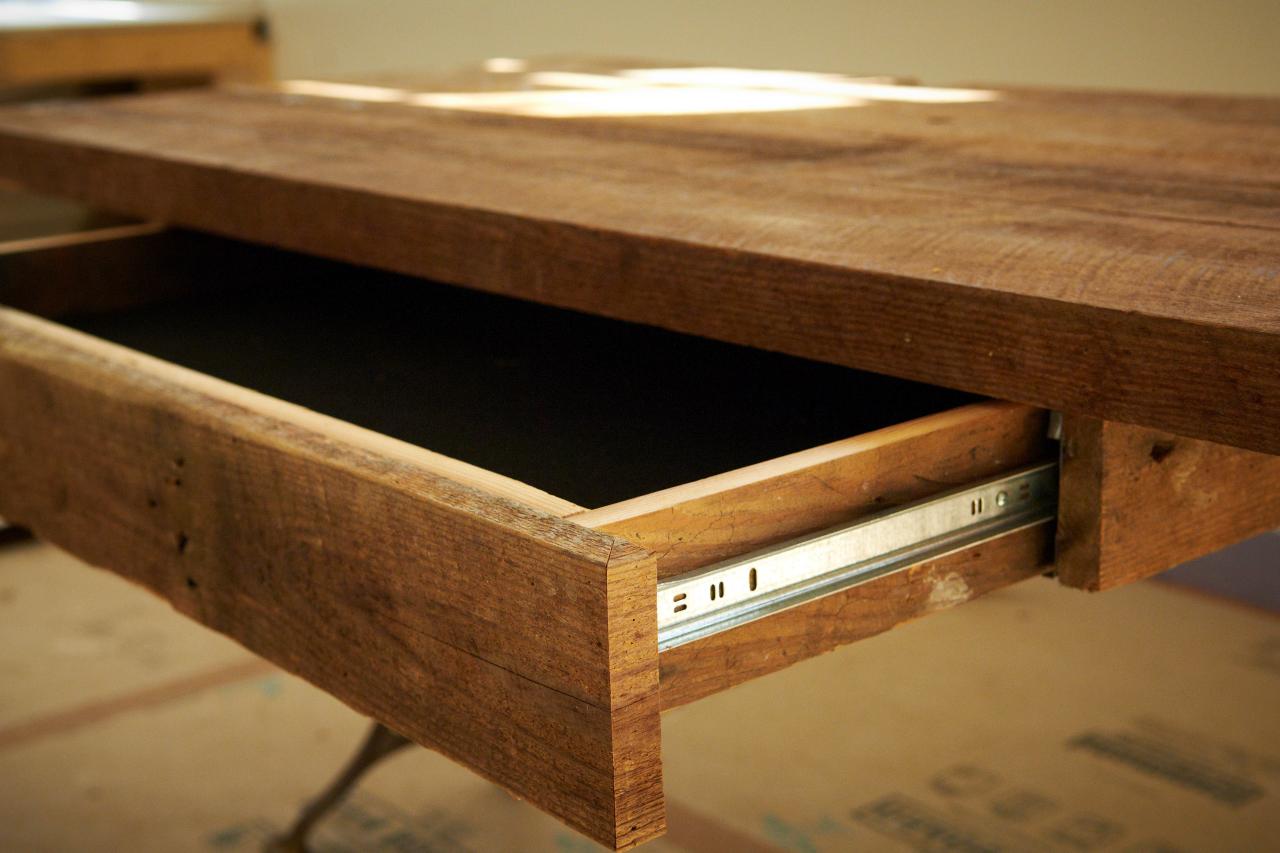
Other Skills Needed - Not just building, part time logger, sawmiller, then drying and processing the wood. Sure you can learn all those things, but there is a learning process there. Other Equipment - Logging, log handling, and as you say, planer / moulder etc. A tractor and log arch may do the job if you are on good terrain.
One thought would be to get yourself a mill, and plan to saw out a small barn / workshop at the new house site. Some reasonably modest project to get your feet wet. You need some place to store your mill, dry and store the wood you cut, run the machinery etc. It can be your garage / workshop / Man cave after the house is completed.
Once you get that completed you will then have a feel for how the larger job is going to go. You might say 'Stuff this, it's hard work, I'll just buy the material and build a normal house' If that's the case, you sell the mill, get most of your money back, and at least have a good shed. Our you might scale back and buy the basic construction materials, and then saw out the fancy stuff.
Solid oak flooring, cherry kitchen cabinets and Cedar decking. This might also be an option if you run into building code problems. There are often ways around those, but they cost more. Engineers reports, revised plans etc Or you might find you are hopelessly hooked on the whole process, and are having the time of your life. Just keep going. You now have a shed to work in, get your extra machinery, build a solar kiln for the nice hardwood floors and kitchen, and carry on. You will be able to quickly air dry the construction level stuff and outside cladding, especially if using the softwoods, and at least get the house 'closed in'.
Rough Cut Cabin Plans
While you are building, the slower drying hardwoods can be air drying as well, then a couple of weeks in the solar kiln and they are ready to use. But it certainly can be done.
I've pointed out a lot of the possible negatives, but there are ways around all of those, and the combined knowledge on this forum will be able to sort out most of the issues Ian. I've done exactly what you ask about. See my 'Building a cabin in the mountains' thread.
Read through this and it will give you an idea of the value of having a saw. I bought a WM LT15 and a Kubota TLB big enough to handle the logs. There is no doubt that I paid for the equipment many times over.
Plus I sold the mill for what I paid for it. The other thing is, where would I have got the size wood that I used. You can't go to Lowes and buy 7'x 9' beams and posts. So I guess a lot depends on how you are building. If you are planning to use mainly kiln dried dimensional lumber then there is not a huge amount of savings. After the house was done, I sold the LT15 and Kubota and now have an LT28 and a bigger JD TLB. That's the size that I should have bought to start with.
Live and learn! Basically, when talking of framing lumber, the larger dimensions, the more you will same. Standard stud lumber from the lumber yards, probably better off buying. However, quality (stamped or not) is happenstance. Start getting into 2X6 and bigger, then it becomes quite different. Milling costs become less (more lumber/less cuts) and the savings start to become noticeable. Siding, flooring, paneling, ceilings, etc.basically most any 1X lumber of #2 or better, there is no question of the savings.
It does take time, and commitment to that time.