Geforce 8800 Gts 320mb Drivers For Mac
By: Sarju Shah - Posted on Tuesday, Feb. 6, 2007 Nvidia has the DirectX 10 graphics technology lead and isn't hesitant about pushing it even though the content is still months away. The company didn't bother to wait for the release of Windows Vista before unleashing its GeForce 8800 DirectX 10 GPUs. The Santa Clara-based green giant launched its 8800 series of GPUs late last year targeting the early adopters with two high-performance, high-price GTX and GTS models. Now Nvidia is releasing the GeForce 8800 GTS 320MB model to give fresh Vista owners a more affordable DX10 video card option. The card comes with half the RAM of its $400 GeForce 8800 GTS 640MB sibling, but it also has a lower $300-350 MSRP.
GeForce 8800 GTS The GeForce 8800 GTS 320MB comes with 96 floating point processors, the same as the original 640MB GTS but still less than the flagship 128-processor GeForce 8800 GTX. Stock GeForce 8800 GTS 320MB cards will come with a 500MHz core clock paired with a 1.2GHz shader clock. The 320MB of GDDR3 memory has an effective speed of 1.6GHz. Nvidia recommends a 400W power supply for the standard GeForce 8800 GTS 320MB card. Expect to see several GeForce 8800 GTS 320MB variants out there because the video card manufacturers can adjust memory and GPU clock speeds to create more premium models. XFX sells an overclocked XXX model with a 580MHz core and 1.8GHz memory for $335.
GeForce 8800 GTS 320MB XFX GeForce 8800 GTS XXX GeForce 8800 GTS 640MB Price $300 $335 $400 DirectX DirectX 10, SM4 DirectX 10, SM4 DirectX 10, SM4 Transistors 681M 681M 681M Core Speed 500MHz 580MHz 500MHz Stream Processors 96 96 96 Shader Speed 1.2GHz 1.8GHz 1.2GHz Memory 320MB 320MB 640MB Memory Speed 800MHz (1.6GHz GDDR3) 900MHz (1.8GHz GDDR3) 800MHz (1.6GHz GDDR3) Memory Interface 320-bit 320-bit 320-bit The GeForce 8800 GTS 320MB has the same core improvements as other 8800-based GPUs. You'll get a unified shader architecture, full DirectX 10 compatibility, and support for concurrent high dynamic range lighting with antialiasing. The 8800 series of GPUs can also improve image quality for H.264 and VC-1 high-definition video content.
Nvidia's current Windows Vista driver is stable, but performance isn't up to XP levels yet. We tested the XFX GeForce 8800 GTS 320MB XXX edition and then underclocked the card to standard speeds to get performance results for the reference GTS 320MB. Performance Charts When do you plan on upgrading to a DirectX 10 video card?
Share your thoughts in the comments below. Editor's Note: The Radeon X1950 XTX was unable to run Company of Heroes with 4xAA and 16xAF. System Setup: Intel Core 2 X6800, Intel 975XBX2, 2GB Corsair XMS Memory (1GB x 2), 160GB Seagate 7200.7 SATA Hard Disk Drive, Windows XP SP2. Graphics Cards: GeForce 8800 GTX 768MB, GeForce 8800 GTS 640MB, Radeon X1950 XTX 512MB, XFX GeForce 8800 GTS 320MB XXX. Graphics Driver: Catalyst 7.1, Forceware 97.92.
Geforce 8800 Gts Driver
Conclusion The GeForce 8800 GTS 320MB performs in line with our expectations. It's a quick card, but it does have memory limitations. The card performs wonderfully at 1600x1200 with 4x antialiasing, but falls behind when memory size comes into play at the highest resolution and image quality settings. The stock GeForce 8800 GTS 320MB is a great option if you're willing to sacrifice AA and AF settings for higher frame rates. If you can't live without the higher-resolution and antialiasing settings, you might want to consider jumping up to the 640MB GTS or the 768MB GTX. When do you plan on upgrading to a DirectX 10 video card?
Share your thoughts in the comments below.
Okay so I spend a lot of time of the steam forums. On there, someone posted that if you have the supported cards listed, you can download graphics card drivers straight from nvidia.com for OS X. I was weary at first, but I downloaded them anyway. I have a 2008 iMac with the 8800 GS card (8800M GTS) and before I updated the drivers, I was getting 40 fps on L4D2 with medium settings. Now, I get 40 fps with max settings on L4D2 on OS X. So that's a pretty big increase. My question is, why haven't these drivers been announced for download if they give a big increase in performance?
LINK: Graphics Cards Supported: GeForce 300M series: GT 330M, GT 320M GeForce 200 series: GTX 285 for MAC GeForce 100 series: GT 120 GeForce 9M series: 9400M GeForce 8 series: 8800 GT GeForce 8M series: 8800M GTS, 8800M GS Quadro series: 4000 for Mac Quadro FX series: FX 4800 for MAC, FX 5600. Okay so I spend a lot of time of the steam forums. On there, someone posted that if you have the supported cards listed, you can download graphics card drivers straight from nvidia.com for OS X. I was weary at first, but I downloaded them anyway. I have a 2008 iMac with the 8800 GS card (8800M GTS) and before I updated the drivers, I was getting 40 fps on L4D2 with medium settings. Now, I get 40 fps with max settings on L4D2 on OS X.
So that's a pretty big increase. I did however, notice some little things. While playing CS:S, there is a little screen tearing, and some other odd little things. Overall though, it gave me a huge performance increase. My question is, why haven't these drivers been announced for download if they give a big increase in performance?
LINK: Graphics Cards Supported: GeForce 300M series: GT 330M, GT 320M GeForce 200 series: GTX 285 for MAC GeForce 100 series: GT 120 GeForce 9M series: 9400M GeForce 8 series: 8800 GT GeForce 8M series: 8800M GTS, 8800M GS Quadro series: 4000 for Mac Quadro FX series: FX 4800 for MAC, FX 5600. Click to expand.It's gone now, my ping was spiking, that was the problem. So far, the drivers have significantly increased performance, nothing weird has happened. And I know VSYNC gets rid of the screen tearing, I had it on while it was screen tearing, which led me to realize that it was from the ping spiking up and down. Matias tactile pro 4 keyboard for mac.
I mean, the drivers clearly state which graphics card is supported, and there from nvidia.com. It's not like it's an unreliable source lol.
If anything happens, just roll back to your original drivers. I'm sure theres a way. It's gone now, my ping was spiking, that was the problem. So far, the drivers have significantly increased performance, nothing weird has happened. And I know VSYNC gets rid of the screen tearing, I had it on while it was screen tearing, which led me to realize that it was from the ping spiking up and down.
I mean, the drivers clearly state which graphics card is supported, and there from nvidia.com. It's not like it's an unreliable source lol.
If anything happens, just roll back to your original drivers. I'm sure theres a way. Click to expand.1) make sure you are running Mac OS X 10.6.5 or later.
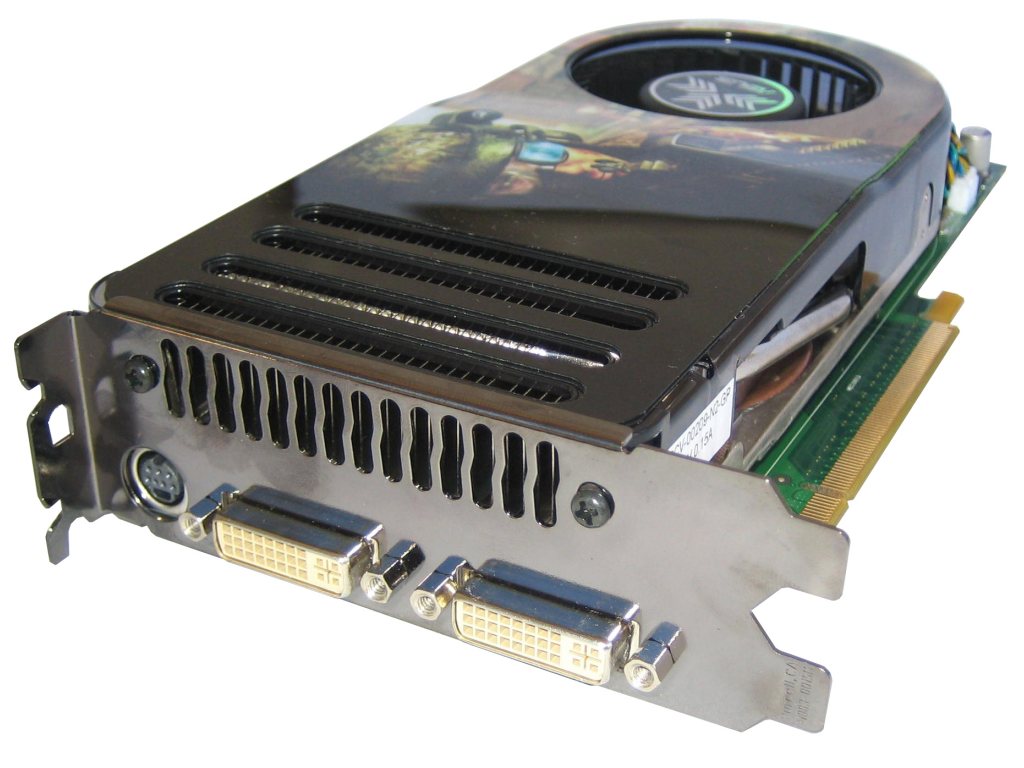
Evga 8800 Gts Drivers
2) download the driver from nvidia 3) double-click the downloaded dmg file. 4) right-click the 'NVIDIA Retail Mac Driver.mpkg' and choose 'Show Package Contents'. Open Contents/Package and you will see three pkg files. Install the three pkg files separately (the order doesn't matter). After successfully installed the three pkg files, reboot your mac. 5) everything should be fine after you reboot.
There is a way to back up your old ones, but I didnt. HUGE SUCCESS so I installed them and everything works good. A week ago when i played the cider port of Modern Warfare 2 (it is the second Cider wrapper, the update) i had to turn down the graphics to low and to 1280x800 resolution in order to get smooth gameplay. Its always been like that, which is why i literally never played it.
This is on my 2010 15' i7 with GT 330M. Now, after upgrading the drivers, i turned the graphics to extra, and its totally smooth aswell i kept the same res. Then i changed res to 1680x1050 and the graphics to high, still smooth the difference drivers can make.
Click to expand.He did say that, although this thread was made prior to Lion. I installed this on my iMac 09 with the gt 130 (not supported) with success. I recently installed a SSD and a fresh copy of snow leopard and used smalluxGPU to stress my GPU (new thermal paste installed) and noticed very poor performance. If you know the scores on the benchmark GPU with OpenCL pixel filtering, it went from 60/27/9 (millions of samples/s) to 169/61/40. I couldn't figure out any other reasoning for this, until I stumbled across this thread. This is amazing!! 1) make sure you are running Mac OS X 10.6.5 or later.

2) download the driver from nvidia 3) double-click the downloaded dmg file. 4) right-click the 'NVIDIA Retail Mac Driver.mpkg' and choose 'Show Package Contents'. Open Contents/Package and you will see three pkg files. Install the three pkg files separately (the order doesn't matter). After successfully installed the three pkg files, reboot your mac.
5) everything should be fine after you reboot. There is a way to back up your old ones, but I didnt. Not helping mid 2009 MBP w. GeForce 9400M So I will say that my interest in updating drivers is different from most in the thread who seem to be needing better gaming performance. I recently purchased a Dell U2913WM ultra-wide monitor which looks fantastic except that it lags when playing back HD videos and downloading files (?).
I installed the cudadriver and the package contents from the NVIDIA Quadro Retail Mac Driver 256.02.25f01 though I noticed 5 separate installers, the three driver installers and two packages called pre-install and post-install which I ran in the intended order. Fortunately I didn't have any black screens, I am running Snow Leopard 10.6.8 but I haven't noticed any performance enhancement. I wish it was like on a PC where there is a more advanced application for monitoring graphics or even knowing what version of drivers you have installed, on get info from my MBP I have Revision ID: 0x00b1 Does anyone have any ideas of what I might try next? I was thinking about upgrading to Mavericks 10.9 seeing as how some had said there were performance enhancements on a system level but naturally I am weary here for other reasons.